By Sizakele
•
July 12, 2024
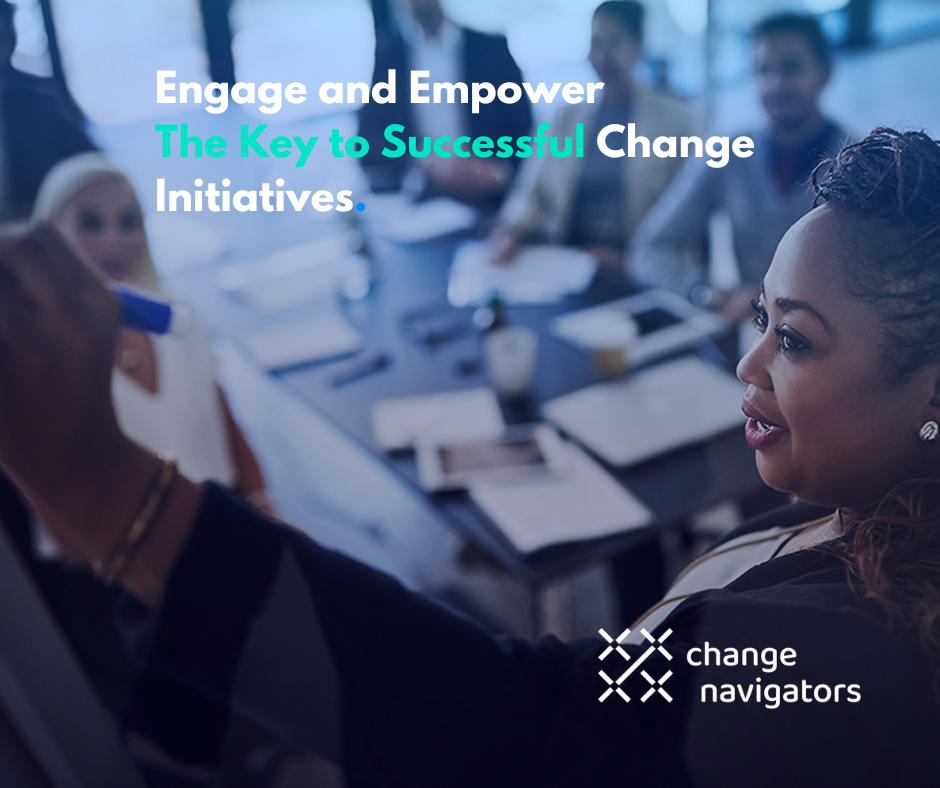
Does change often stir up division in your business ? Change, a constant in business, presents both opportunities and challenges. While essential for growth and adaptation, it can also trigger resistance, fracturing teams, and compromising unity. But what if we could turn the tide? What if change could be a force for unity rather than division? Consider these insights : Organisations integrating change management are 47% more likely to achieve objectives compared to those that do not. Over the past five years, 85% of senior executives have seen a significant rise in organisational change projects, emphasizing the need for effective change management strategies. This is where effective change management steps in, not just as a beneficial addition but as an essential component. When change is mishandled, the consequences are palpable. Communication breakdowns, decreased morale, and an overall sense of disunity can pervade the workplace. Teams that once worked harmoniously may find themselves in conflict, as uncertainty and fear of the unknown take root However, this narrative can shift. When executed with precision and empathy, change management can transform challenges into opportunities for fostering a stronger, more cohesive community within your organization. Change Management as a Unifying Force . Transparent Communication: The foundation of any strong community is clear, open communication. Change management must begin with a transparent dialogue about the what, why, and how of change. By involving employees in the conversation, you're not just informing them; you're empowering them. This openness fosters trust and breaks down the barriers of uncertainty and resistance. Support and Training: Change can be daunting, especially when it requires new skills or ways of working. Providing comprehensive support and training is crucial. It demonstrates the organisation's commitment to its employees' success and well-being. When people feel supported, they're more likely to approach change positively, strengthening the community fabric. Recognition and Celebration: Acknowledging both individual and team contributions to the change process is vital. Recognition fosters a sense of value and belonging. Celebrating milestones and successes, big or small, reinforces the message that everyone is in this together, contributing to a united, motivated community. Continuous Feedback: Building a community is an ongoing process. Continuous feedback loops allow for adjustments and ensure that change management is responsive to the needs and concerns of the workforce. This adaptability not only smooths the transition but also cultivates a culture of continuous improvement and unity. Real-world Success Stories: Change Management in Action . Highlighting how, with the right strategies, companies can harness change for adaptability and success, the real-life scenarios from Cask Resources, Lego, and Netflix show us the multifaceted nature of change management. Cask Resources and the ERP Transformation: A standout example of change management in action comes from the insights provided by Cask Resources. They highlight the journey of a company that embarked on the implementation of a new ERP (Enterprise Resource Planning) system. This was no small feat; it required a comprehensive change management strategy focused on securing employee buy-in and engagement. Through targeted communication, training, and involvement strategies, the company not only navigated the technical complexities of the new system but also achieved a remarkable level of user adoption. The result? Significant cost savings and a more streamlined, efficient operational framework. This case underscores the importance of focusing on the human element of change. Lego's Strategic Refocus: Lego's stor y of transformation is both inspiring and instructive. Facing a dire financial situation in the 1990s, Lego made a decisive move to return to its roots, concentrating on its core product lines. This strategic pivot involved reducing the complexity of its operations, notably cutting down the number of different pieces it produced from 12,900 to 7,000. More than just a story of cost-cutting, Lego's turnaround is a testament to the power of understanding market dynamics and being willing to adapt accordingly. By embracing change and focusing on its strengths, Lego not only recovered but also expanded into new marketplaces, securing its place as a beloved global brand. Netflix's Evolution: Netflix stands as a paradigm of how embracing change can propel a company to new heights . Since its inception in 1997, Netflix has consistently been at the forefront of the entertainment industry's evolution. Initially disrupting the traditional video rental model with its DVD mail service, Netflix adeptly navigated the shift to digital, reinventing itself as a streaming giant. This transition was underpinned by a proactive change management approach that anticipated market trends and customer preferences. Netflix's ability to adapt to the digital age, including the shift to online streaming, has enabled it to overcome challenges, such as fluctuations in subscriptions and stock prices, to emerge with a staggering 167 million subscribers. This journey illustrates the critical role of strategic foresight and flexibility in change management. Through these examples, we see that change management is not just about managing transition; it's about setting the stage for enduring success in an ever-evolving business landscape. Embracing Change as a Community . Change management, when approached with care, intention, and inclusivity, can transform potential divisions into a stronger organisational whole. By prioritizing transparent communication and continuous support, businesses are able to both navigate change successfully and enhance a sense of community. Let's embrace change not as a challenge to be feared but as an opportunity to grow together. #ChangeManagement #BusinessUnity #OrganizationalGrowth #ChangeNavigatorsNetwork #ChangeManagement #FutureForward