
Resilience! What is it, why does it matter?

Hanlie Krause • September 13, 2022

We kicked off this Woman’s month with the hot topic of the year – Resilience!

One thing that drives the need to be resilient is … yes, Change! Ah, change. It presents itself in so many ways that it can be too difficult to see coming or so inevitable that it can’t be avoided. Its unpredictable nature often has us in a state of panic and insecurity, threatening our livelihoods and the comfort that we surround ourselves with.


Change can, however, can be good. It can strengthen us, shape us, transform us and unite us for the better – and while we’re not always able to see the advantages, we can all agree that it always brings a whole new lease on life.


The real question is: when you’re faced with impending and inevitable change and stuck at a crossroads – which road do you take? One of reluctance or one of resilience?


Whether you’re dealing with health problems, relationship issues with family or loved ones, financial constraints, struggles in the workplace or an inevitable pandemic, resilience exists as a choice. Indeed, it’s easy to choose a path of reluctance in going forward, but with that, you end up attracting more harm than good.


Reluctance keeps you from growth; it hampers your ability to broaden and enhance your perspective and ultimately prevents you from dealing with change constructively and practically. Reluctance is also a form of resistance; in Acceptance and Commitment Therapy (ACT), a common saying originally opined by the famous analyst Carl Jung: “what you resist, persists“. This simply means that whatever you resist, or push against, will ‘persist’ and push back until it’s dealt with effectively.


A resilient Mindset

According to Psychology Today, psychologists have identified a few contributing factors to a resilient mindset: optimism and a positive worldview, the ability to recognise and regulate emotions (high self-awareness), and the ability to perceive failure as a form of feedback self-improvement.


They also noted that although resilience is affected by genetics, upbringing and life experience also affect how “resilient genes are expressed”.


So, what is optimism and high self-awareness?


Optimism can be defined as “a mental attitude characterised by hope and confidence in success and a positive future”. Optimists believe good things will happen to them throughout their lives; they have consistent hope for a successful future and see setbacks as a learning curve and a way to improve.


The great thing about optimism is that it can be developed and improved by using very simple tactics. For example, acknowledging what you can and can’t control, spending time around others that are optimistic and keeping a diary to remind yourself of things to be grateful for consciously.


Like optimism, self-awareness can also be developed.


High self-awareness refers to a person’s ability to analyse, understand, and control their thoughts, feelings, and emotions.


Being self-aware is essential because we all go through life dealing with and facing different outcomes and circumstances; with different backgrounds, upbringings, environments and cultures, we all develop our own view of the world and rely on specific mental defence mechanisms to protect ourselves.


A lack of self-awareness usually reveals itself in an unpleasant and often awkward way – and nobody wants to be the person that makes things uncomfortable and unpleasant.


By becoming a better listener, being more curious about your thoughts and behaviours, actively looking for feedback to improve yourself and understanding your values (where you draw the line and why you make certain decisions) – you can improve your ability to be more self-aware.


By painting a better picture of optimism and self-awareness, you can better understand the attitudes that lay the foundation of resilience.


Attributes of the Resilient


With resilience becoming increasingly popular, more and more research exists regarding its effect on our social, physical, psychological and spiritual lives.


So, developing it would be a massive priority for us, right? Indeed, it would.


But first, we need to know how resilience looks on a person; how do they behave? What makes them stand out? What characteristics define them? And more importantly, (especially for us at Change Agility) how it translates in the workplace.


According to psychologist Susan Kobus, there are three essential elements that resilience consists of:


  • Challenge (i.e. the ability to see difficulties as challenges to be overcome and a precursor for improvements to be made),
  • Commitment (i.e. the compelling nature to commit and stick by their goals, relationships, commitments, etc.) and
  • Personal Control (i.e. their ability to only act upon the situations that they have control over and not waste time or energy on situations that they don’t).


Other than challenge, commitment and personal control, psychologist Martin Seligman argues that how we explain failures and circumstances to ourselves is just as important in being resilient, so he’s identified three other factors that describe resilience.

 He categorises these as Permanence (resilient people see adverse outcomes or events as temporary, rather than permanent), Pervasiveness (the ability to avoid letting temporary setbacks in one area of life affect other unrelated areas) and Personalisation (looking at external factors as the cause of an issue, rather than engaging in personal blame).


 With the lists of attributes and characteristics giving us an even clearer picture of what resilience is and what it means to be resilient, we can begin to understand why it’s an essential component of self-development and personal growth.


 At the organisation level, it becomes evident that resilient individuals would fare better to challenges, complicated situations, and significant changes like a pandemic. These individuals remain positive and steadfast when faced with the inevitable evolution of the organisation and have the emotional intelligence to find little wins in all situations.


At Change Agility, we enjoy meeting them, working with them, co-crafting solutions and moving the organisation towards its desired goals. On the other hand, we also enjoy working with wellness consultants to develop programs that encourage developing a resilient mindset and workforce. Keep your eyes peeled for the next piece, where we will unpack some of the benefits of resilience and identify ways to become more resilient as an individual.


And don’t forget to reach out for any Change Management requirements. We look forward to meeting you and your team!

  • What loyalty means today

    Today's recruits are more sophisticated than ever. They have high standards and expections. 

  • Finding the right employee

    Today's recruits are more sophisticated than ever. They have high standards and expections.

  • Essential interview questions

    Today's recruits are more sophisticated than ever. They have high standards and expections.

By Sizakele July 26, 2024
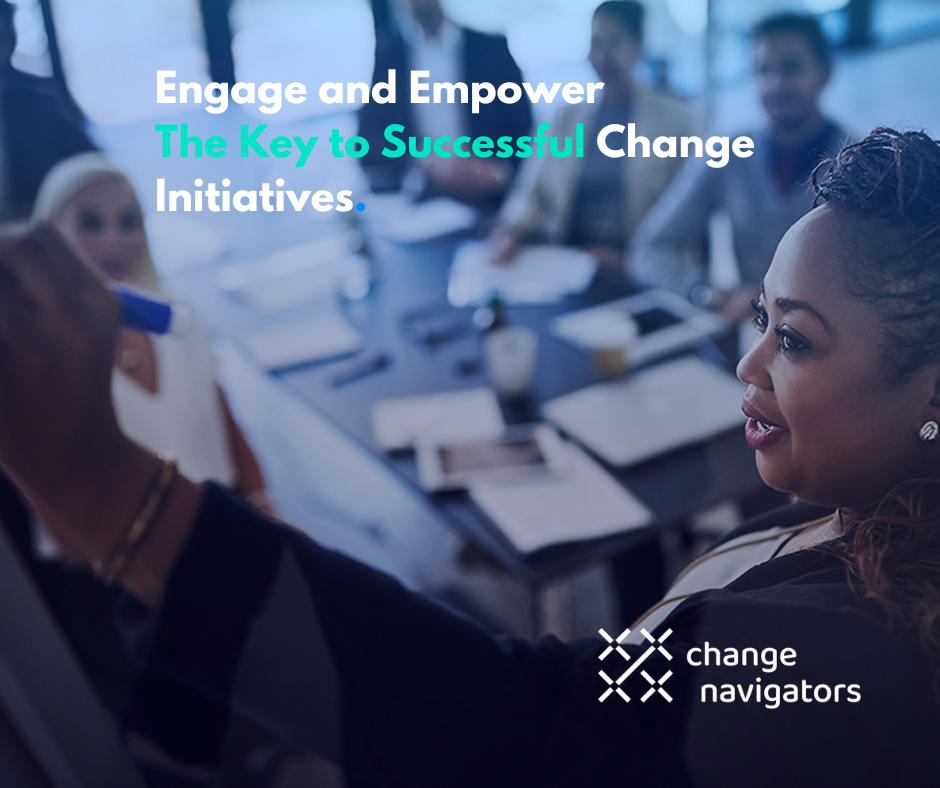
Stakeholders are essential for the success of any change initiative. Their insights, support, and involvement significantly influence project outcomes . Let us look at some important reasons why engaging stakeholders matters and how to do it effectively : Why Stakeholders Matter Stakeholders provide valuable insights from their unique perspectives that enhance decision-making and identify potential risks and opportunities within the project. Stakeholders help encourage innovation through their engagements, which contribute creative solutions and innovative ideas. Stakeholders also ensure the change management initiatives align with the organisational project goals, gaining broad-based support from the employees and minimizing resistance to the change initiatives. Effective Engagement Strategies. As Change Managers, keeping to the fundamental basics to help ensure effective engagement sessions with stakeholders helps make the process seamless. Try using the following techniques in your stakeholder engagement strategies: Transparent Communication: Maintain open and honest communication to clearly articulate the purpose, benefits, and impacts of change. Active Listening: Regularly seek and consider stakeholder feedback to build trust and commitment. Inclusive Decision-Making: Involve stakeholders in planning and decision-making to encourage collaborative problem-solving. Initiatives for Successful Engagement: Provide consistent and regular updates on the change project's progress through various platforms. Schedule collaborative workshops to engage stakeholders in interactive discussions and brainstorming sessions. Acknowledge and celebrate stakeholder contributions to motivate ongoing support and show recognition and appreciation. Prioritizing stakeholder engagement ensures smoother transitions, more innovative solutions, and stronger alignment with organisational goals. Engage your stakeholders effectively to unlock the full potential of your change initiatives. #ChangeNavigatorsNetwork #ChangeManagement #FutureForward
By Sizakele July 12, 2024
Does change often stir up division in your business ? Change, a constant in business, presents both opportunities and challenges. While essential for growth and adaptation, it can also trigger resistance, fracturing teams, and compromising unity. But what if we could turn the tide? What if change could be a force for unity rather than division? Consider these insights : Organisations integrating change management are 47% more likely to achieve objectives compared to those that do not. Over the past five years, 85% of senior executives have seen a significant rise in organisational change projects, emphasizing the need for effective change management strategies. This is where effective change management steps in, not just as a beneficial addition but as an essential component. When change is mishandled, the consequences are palpable. Communication breakdowns, decreased morale, and an overall sense of disunity can pervade the workplace. Teams that once worked harmoniously may find themselves in conflict, as uncertainty and fear of the unknown take root However, this narrative can shift. When executed with precision and empathy, change management can transform challenges into opportunities for fostering a stronger, more cohesive community within your organization. Change Management as a Unifying Force . Transparent Communication: The foundation of any strong community is clear, open communication. Change management must begin with a transparent dialogue about the what, why, and how of change. By involving employees in the conversation, you're not just informing them; you're empowering them. This openness fosters trust and breaks down the barriers of uncertainty and resistance. Support and Training: Change can be daunting, especially when it requires new skills or ways of working. Providing comprehensive support and training is crucial. It demonstrates the organisation's commitment to its employees' success and well-being. When people feel supported, they're more likely to approach change positively, strengthening the community fabric. Recognition and Celebration: Acknowledging both individual and team contributions to the change process is vital. Recognition fosters a sense of value and belonging. Celebrating milestones and successes, big or small, reinforces the message that everyone is in this together, contributing to a united, motivated community. Continuous Feedback: Building a community is an ongoing process. Continuous feedback loops allow for adjustments and ensure that change management is responsive to the needs and concerns of the workforce. This adaptability not only smooths the transition but also cultivates a culture of continuous improvement and unity. Real-world Success Stories: Change Management in Action . Highlighting how, with the right strategies, companies can harness change for adaptability and success, the real-life scenarios from Cask Resources, Lego, and Netflix show us the multifaceted nature of change management. Cask Resources and the ERP Transformation: A standout example of change management in action comes from the insights provided by Cask Resources. They highlight the journey of a company that embarked on the implementation of a new ERP (Enterprise Resource Planning) system. This was no small feat; it required a comprehensive change management strategy focused on securing employee buy-in and engagement. Through targeted communication, training, and involvement strategies, the company not only navigated the technical complexities of the new system but also achieved a remarkable level of user adoption. The result? Significant cost savings and a more streamlined, efficient operational framework. This case underscores the importance of focusing on the human element of change. Lego's Strategic Refocus: Lego's stor y of transformation is both inspiring and instructive. Facing a dire financial situation in the 1990s, Lego made a decisive move to return to its roots, concentrating on its core product lines. This strategic pivot involved reducing the complexity of its operations, notably cutting down the number of different pieces it produced from 12,900 to 7,000. More than just a story of cost-cutting, Lego's turnaround is a testament to the power of understanding market dynamics and being willing to adapt accordingly. By embracing change and focusing on its strengths, Lego not only recovered but also expanded into new marketplaces, securing its place as a beloved global brand. Netflix's Evolution: Netflix stands as a paradigm of how embracing change can propel a company to new heights . Since its inception in 1997, Netflix has consistently been at the forefront of the entertainment industry's evolution. Initially disrupting the traditional video rental model with its DVD mail service, Netflix adeptly navigated the shift to digital, reinventing itself as a streaming giant. This transition was underpinned by a proactive change management approach that anticipated market trends and customer preferences. Netflix's ability to adapt to the digital age, including the shift to online streaming, has enabled it to overcome challenges, such as fluctuations in subscriptions and stock prices, to emerge with a staggering 167 million subscribers. This journey illustrates the critical role of strategic foresight and flexibility in change management. Through these examples, we see that change management is not just about managing transition; it's about setting the stage for enduring success in an ever-evolving business landscape. Embracing Change as a Community . Change management, when approached with care, intention, and inclusivity, can transform potential divisions into a stronger organisational whole. By prioritizing transparent communication and continuous support, businesses are able to both navigate change successfully and enhance a sense of community. Let's embrace change not as a challenge to be feared but as an opportunity to grow together. #ChangeManagement #BusinessUnity #OrganizationalGrowth #ChangeNavigatorsNetwork #ChangeManagement #FutureForward